Our story
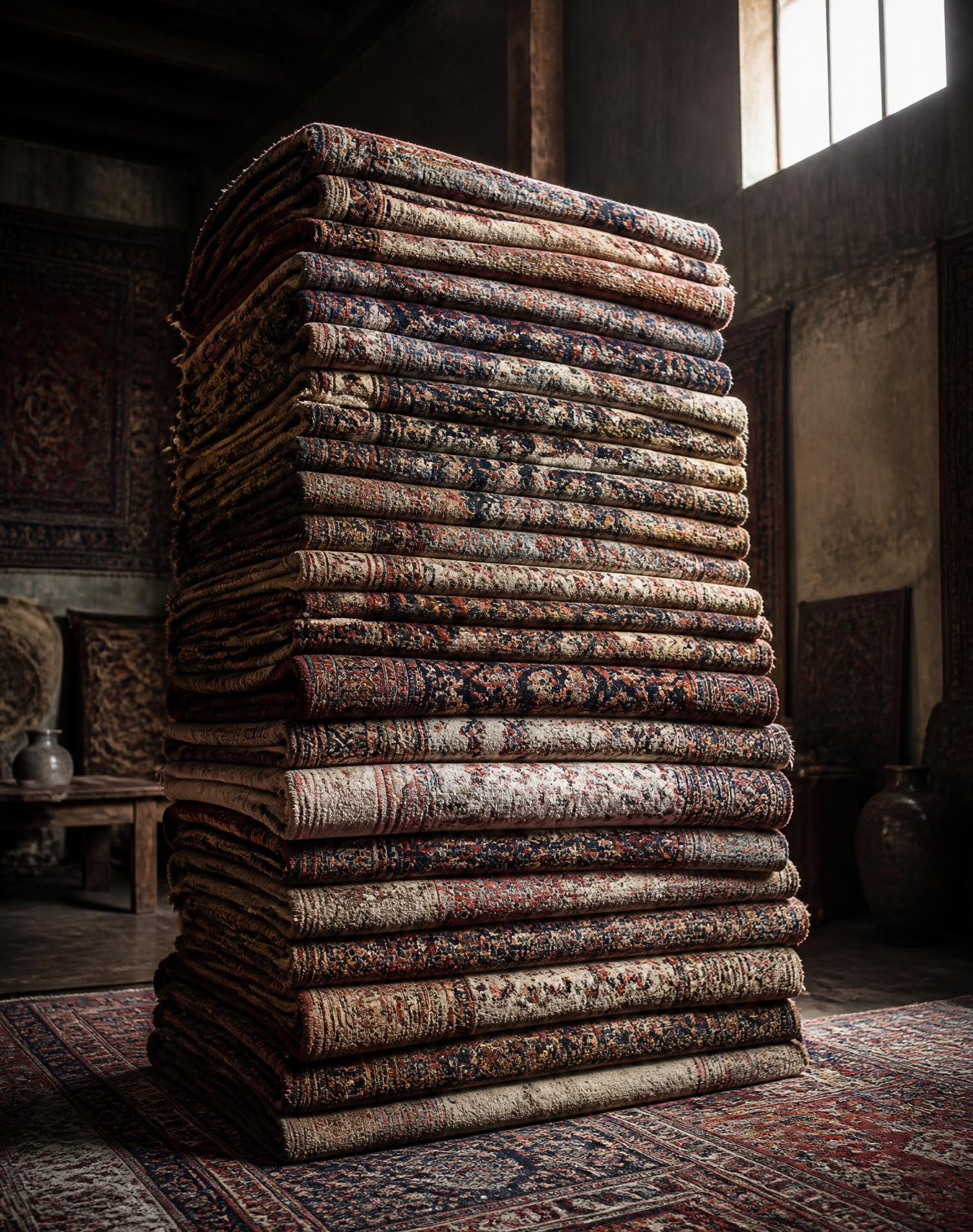
For generations, Persian rugs have carried stories from one home to another.
Why we exist
We started because good rugs were being sold badly — flattened into thumbnails, described in three words, and priced as if the only thing that mattered was square footage.
A hand-knotted Persian carpet is the longest-running design tradition still in daily practice. It deserves the same care in the telling that it received at the loom. So we photograph every piece properly, we write down what we know, and we say plainly what we don't.
We are not interested in volume. We hold around sixty pieces at any time, and each one is a single original.
Relationships
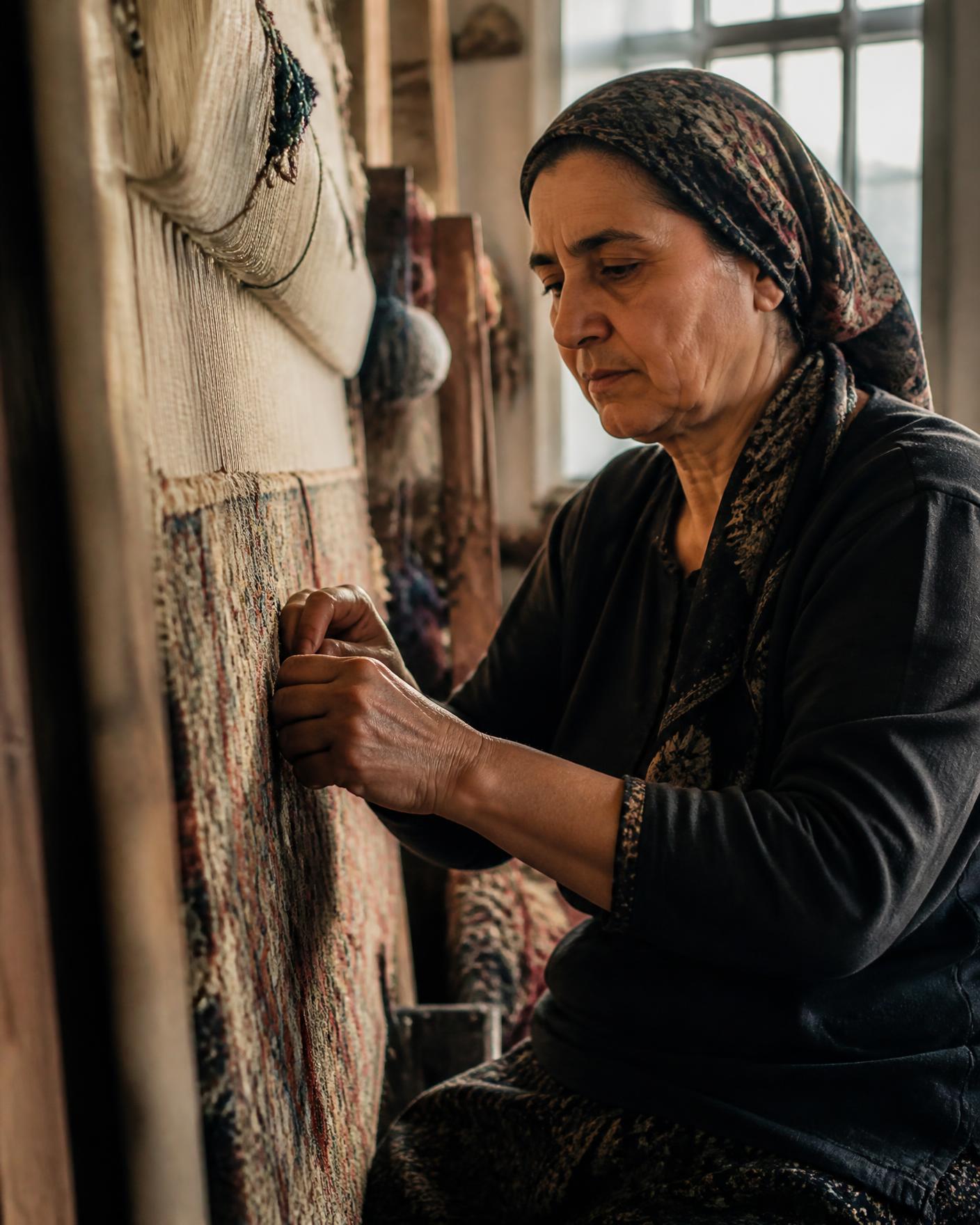
We pay at the loom, not at the border
Where a rug is new, we know the workshop and the master weaver by name and pay them directly. Where a rug is old, we buy from families and estates and record the provenance we're given.
How we source
Two buying trips a year, on foot, through workshops in Tabriz, Kashan and Isfahan, and through the estate market in Europe. We buy where the rug was made whenever the piece allows it.
Authentication
Every rug is examined from the back: knot type, knot count, foundation, dye behaviour under water and light. Anything we cannot verify, we describe as unverified.
Condition standards
We accept honest wear — a hundred-year-old rug should look like it has lived. We do not accept painted repairs, chemical washing, or reduced sides passed off as original.
Preservation
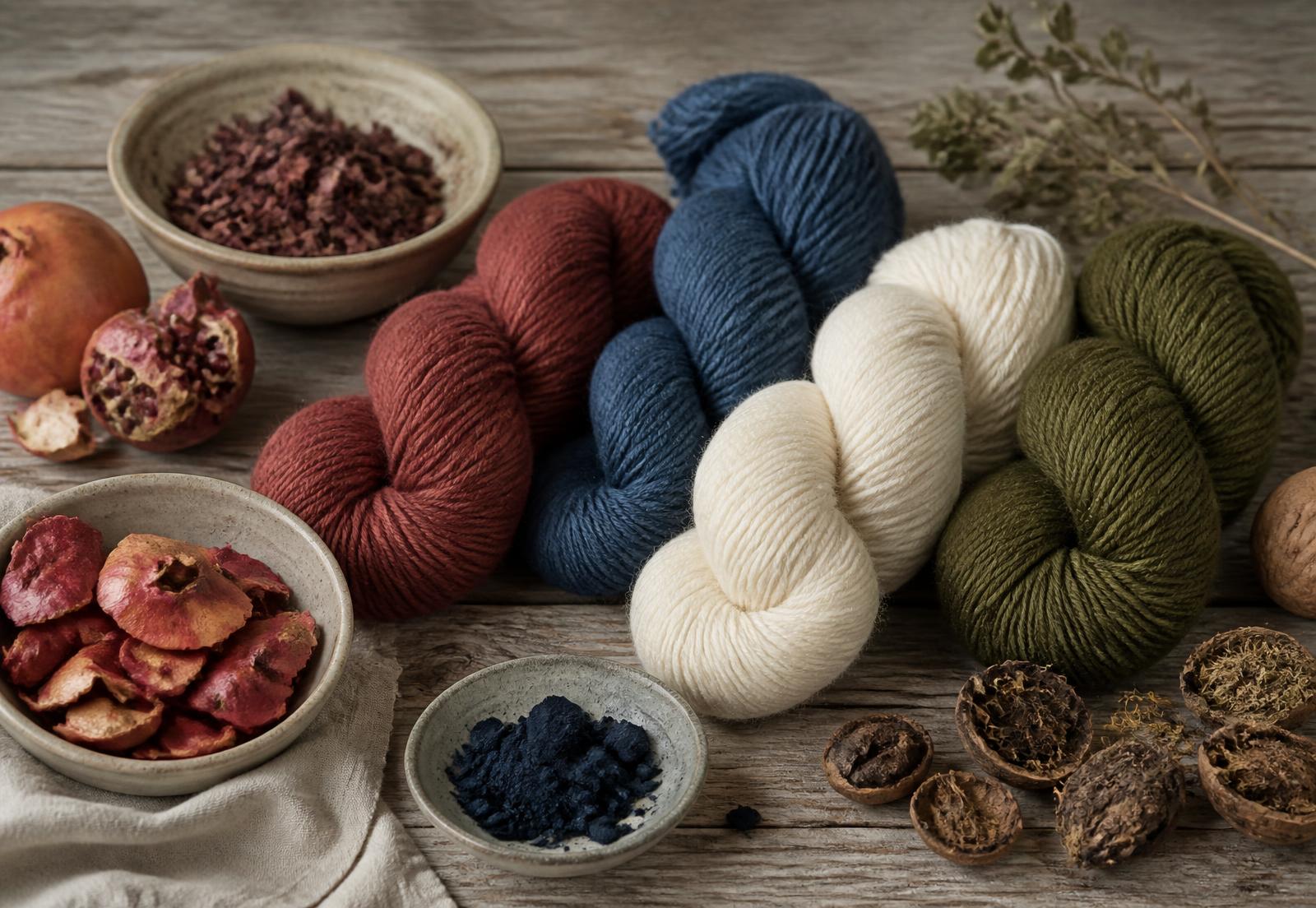
Restoration is done by hand with matched wool by two workshops we have used for a decade. We would rather leave a small hole than fake a perfect one.
Come and stand on one
Photographs get you most of the way. The last part is physical — the weight, the pile, the way the colour shifts as you walk around it.
Book a private viewing