Skip to content

Journal

Notes on living with old things

Care, scale, regions and the small decisions that make a rug look inevitable in a room rather than added to it.

Why Persian rugs get better with age

Craft · 6 min

Why Persian rugs get better with age

Wool contains lanolin. Walk on it for fifty years and it polishes rather than wears.

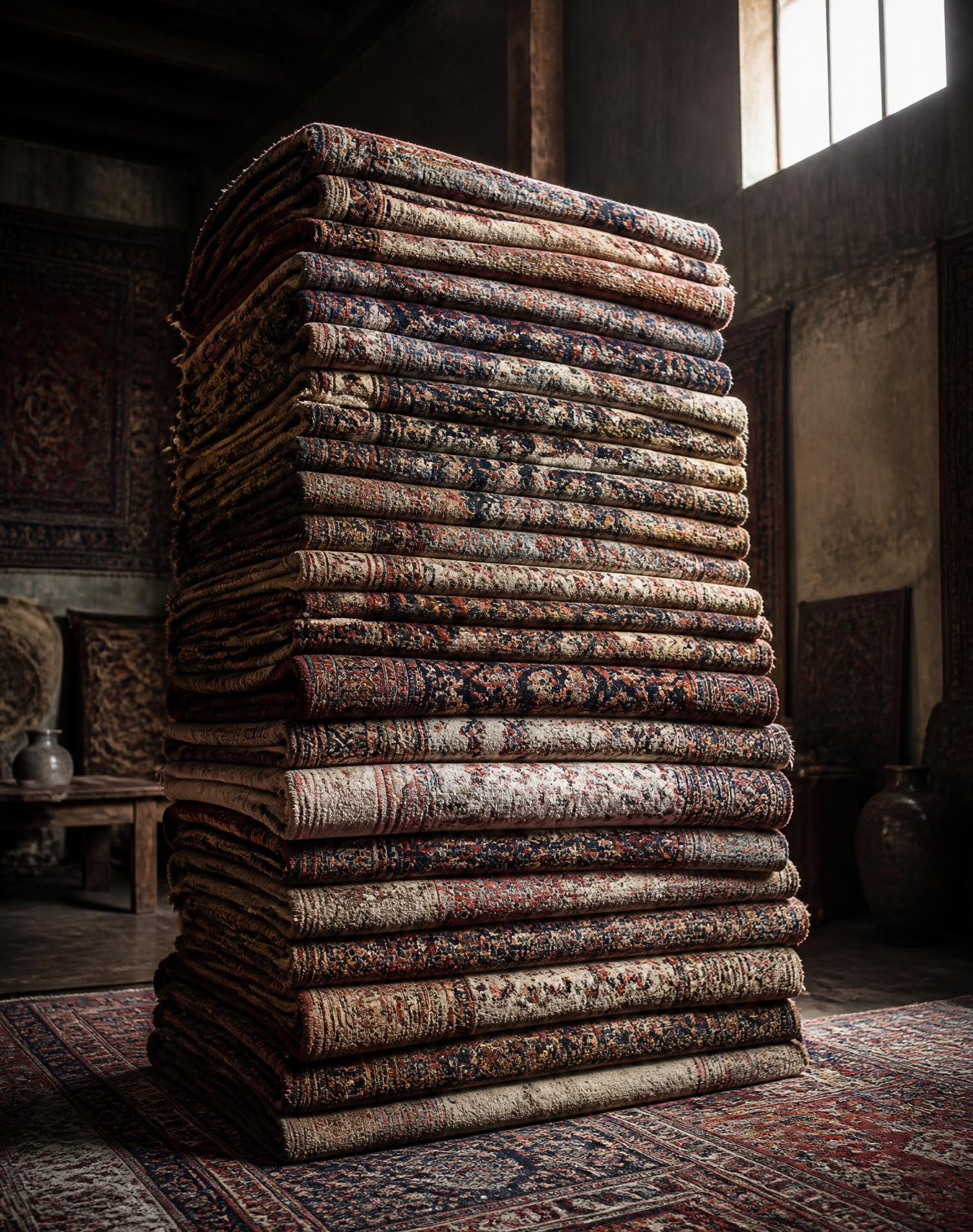
A machine-made rug is at its best on the day it leaves the factory. A hand-knotted Persian rug is not: it is at its best somewhere around its fiftieth birthday.

The reason is wool. Hand-spun highland fleece keeps much of its natural lanolin, and lanolin behaves like a slow polish. Footsteps compress the pile, redistribute the oil and give the surface a low sheen that no finishing process can imitate.

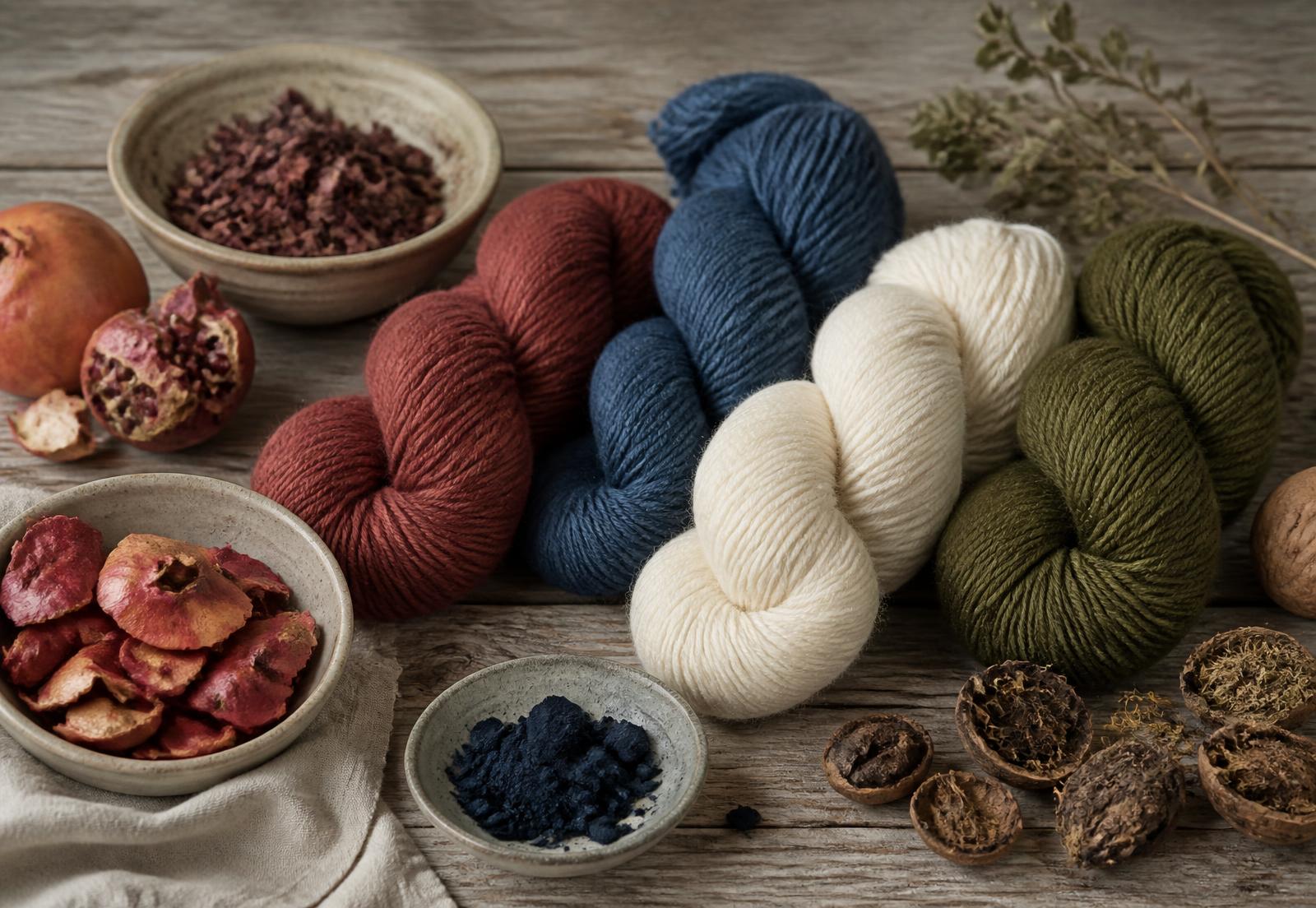
Natural dyes age in the same generous direction. Madder red loses its rawness and settles into brick; indigo softens toward slate. Sunlight, which ruins synthetic colour, simply mellows the plant-dyed kind.
  • How to choose the right rug size

    Measure the furniture, not the floor. A rug should read as the boundary of a conversation, which means at least the front legs of every seat should stand on it.

    In a dining room, add 60–75 cm on every side of the table so chairs stay on the rug when pulled out.

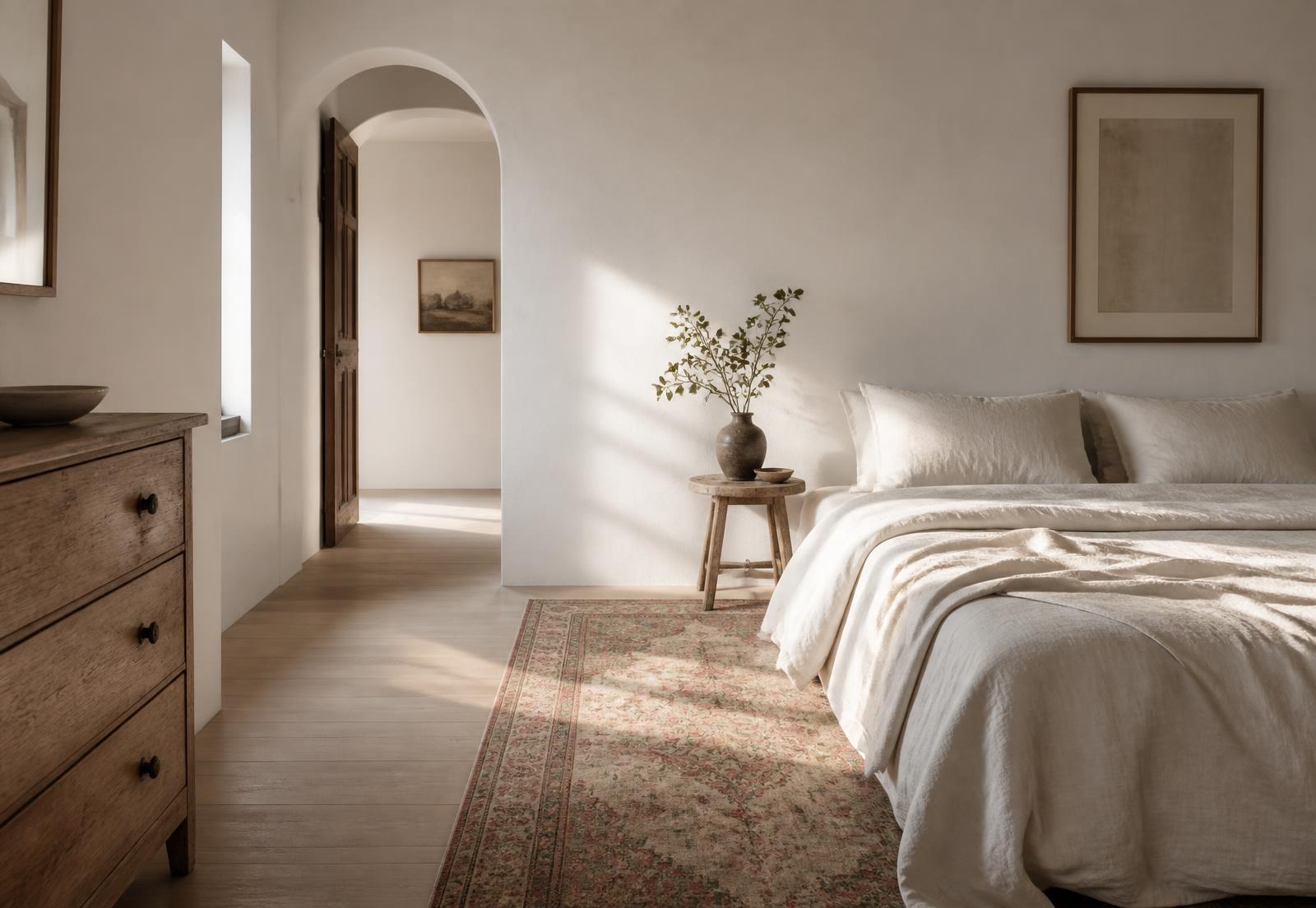
    In a bedroom, either run a large rug under the lower two thirds of the bed, or place a runner on each side. Anything else looks accidental.

  • Tabriz vs Kashan: understanding the difference

    Tabriz weaves from a cartoon and thinks like an architect: the medallion is set out with compass precision and the border carries the composition.

    Kashan is softer. The field is denser, the wool is kork, and the drawing curves where Tabriz would resolve into a straight line.

    Practically: Tabriz for a room that needs structure, Kashan for one that needs warmth.

  • The meaning behind Persian rug motifs

    Persian rug motifs are not decoration applied to a surface. They are a vocabulary, and weavers use them the way a writer uses familiar words.

    The boteh — the paisley ancestor — reads variously as a seed, a flame, or a cypress bent by wind. The herati is a rosette caught in a diamond with four curved leaves.

    Tribal guls are closer to badges than flowers: a clan's mark, repeated across a field as a statement of belonging.

  • How to style Persian rugs in modern interiors

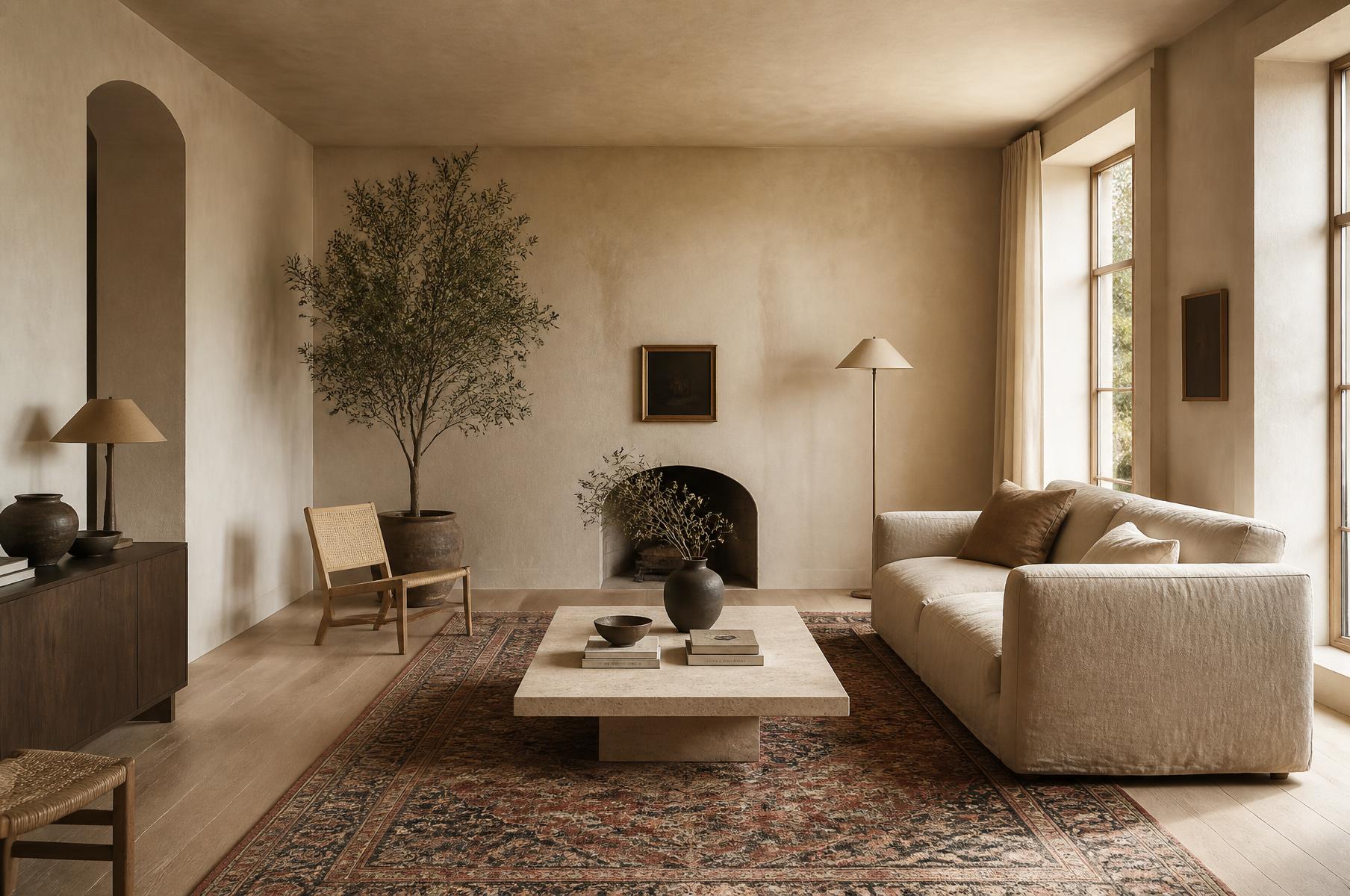
    Contrast does the work. Plaster walls, plain linen and pale oak give a hand-knotted rug the silence it needs to be read as art.

    Do not match the rug to a cushion. Pull one quiet colour from the field — a sage, a faded rose — and repeat it once, elsewhere, in a different material.

    And leave a margin of floor. A rug that runs wall to wall becomes carpet; a rug with a border of bare wood stays an object.

  • Why hand-knotted rugs are different

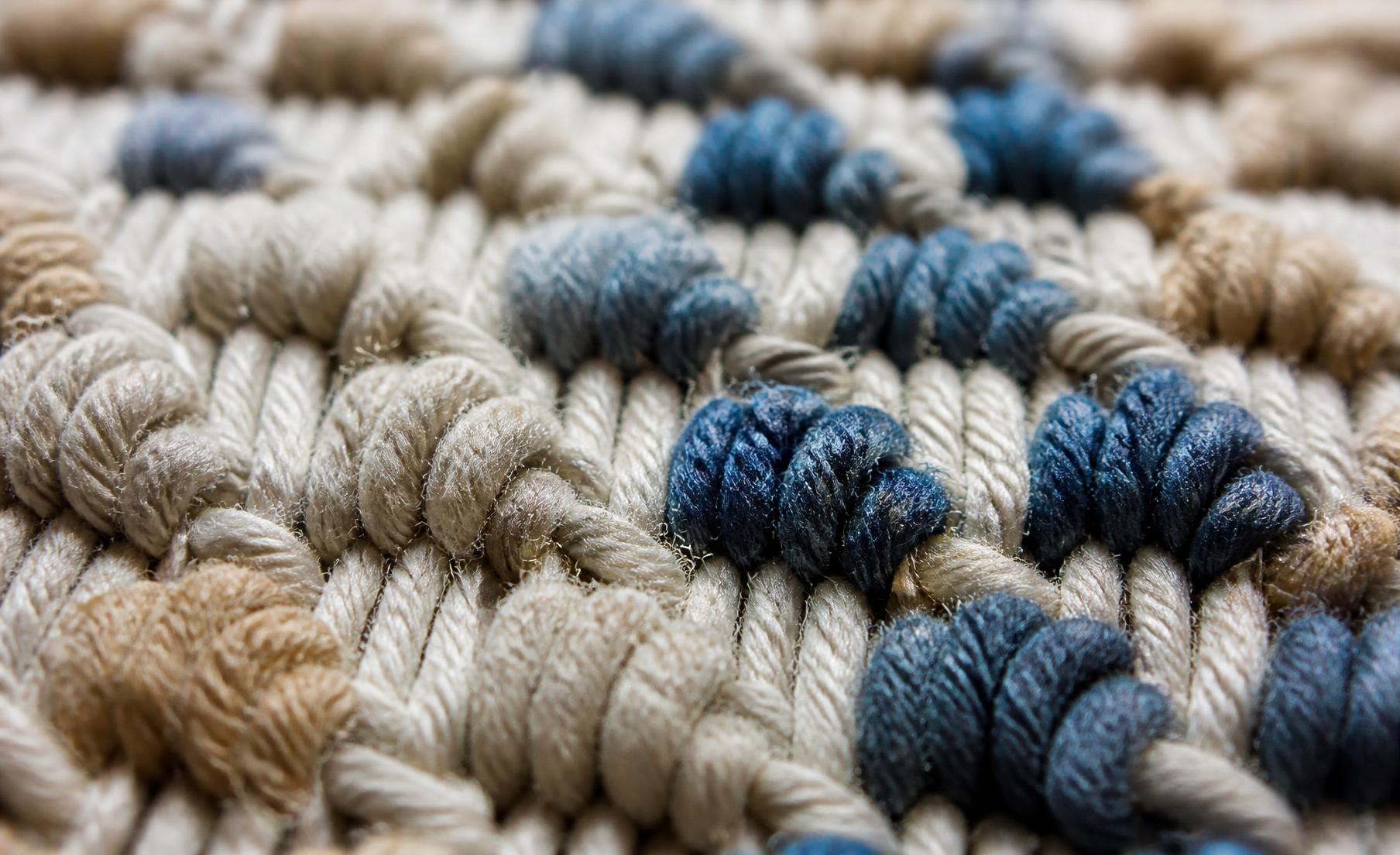
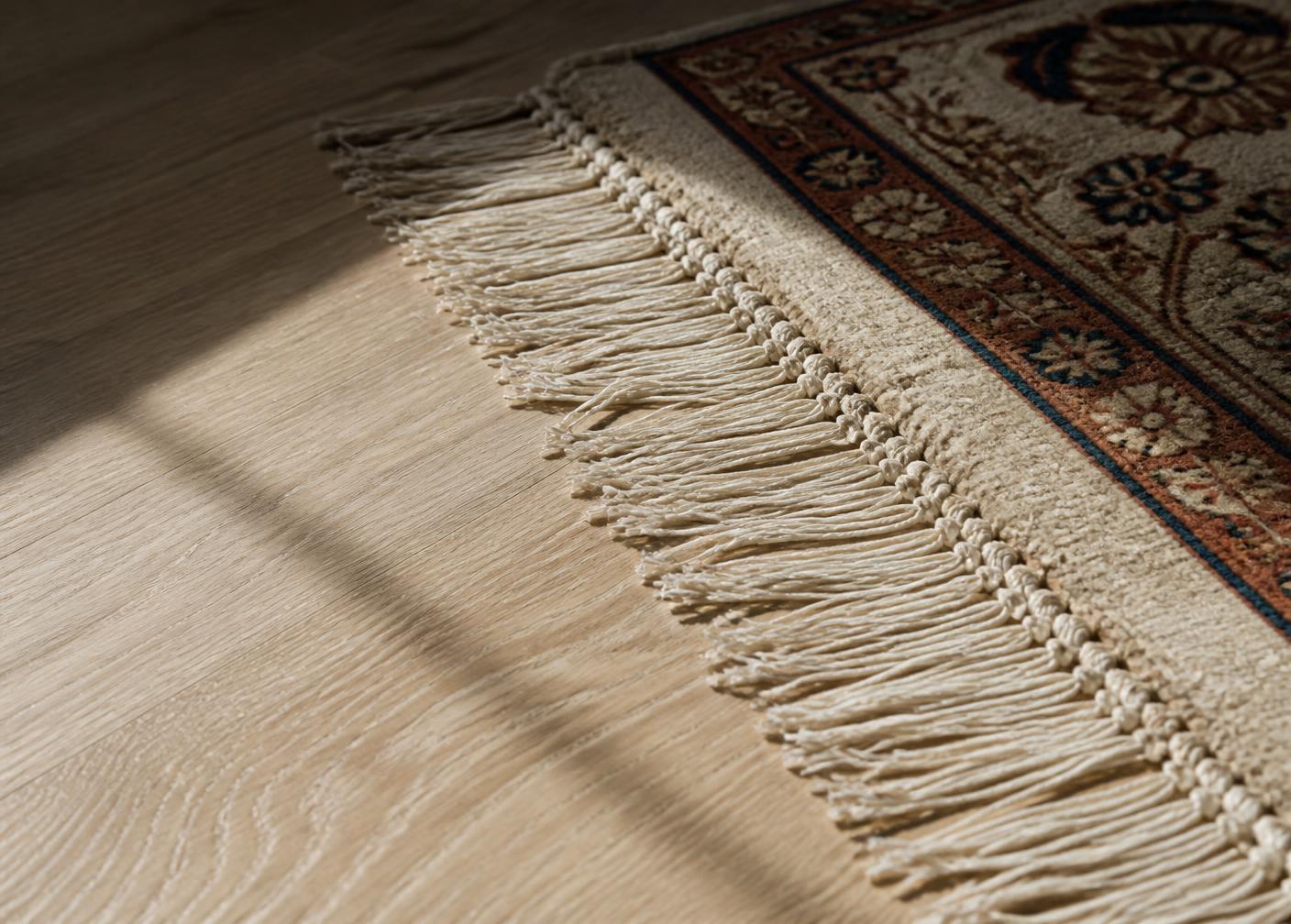
    On a hand-knotted rug the pattern is visible on the reverse, knot by knot, because the pattern is the structure.

    Tufted and machine-made rugs hide a glued or woven backing. They can be beautiful; they cannot be repaired the same way, and they will not survive a century.

    Knot count matters less than people think. A coarse Heriz at 160,000 knots per square metre can outlive a fine city rug — what matters more is the quality of the wool.