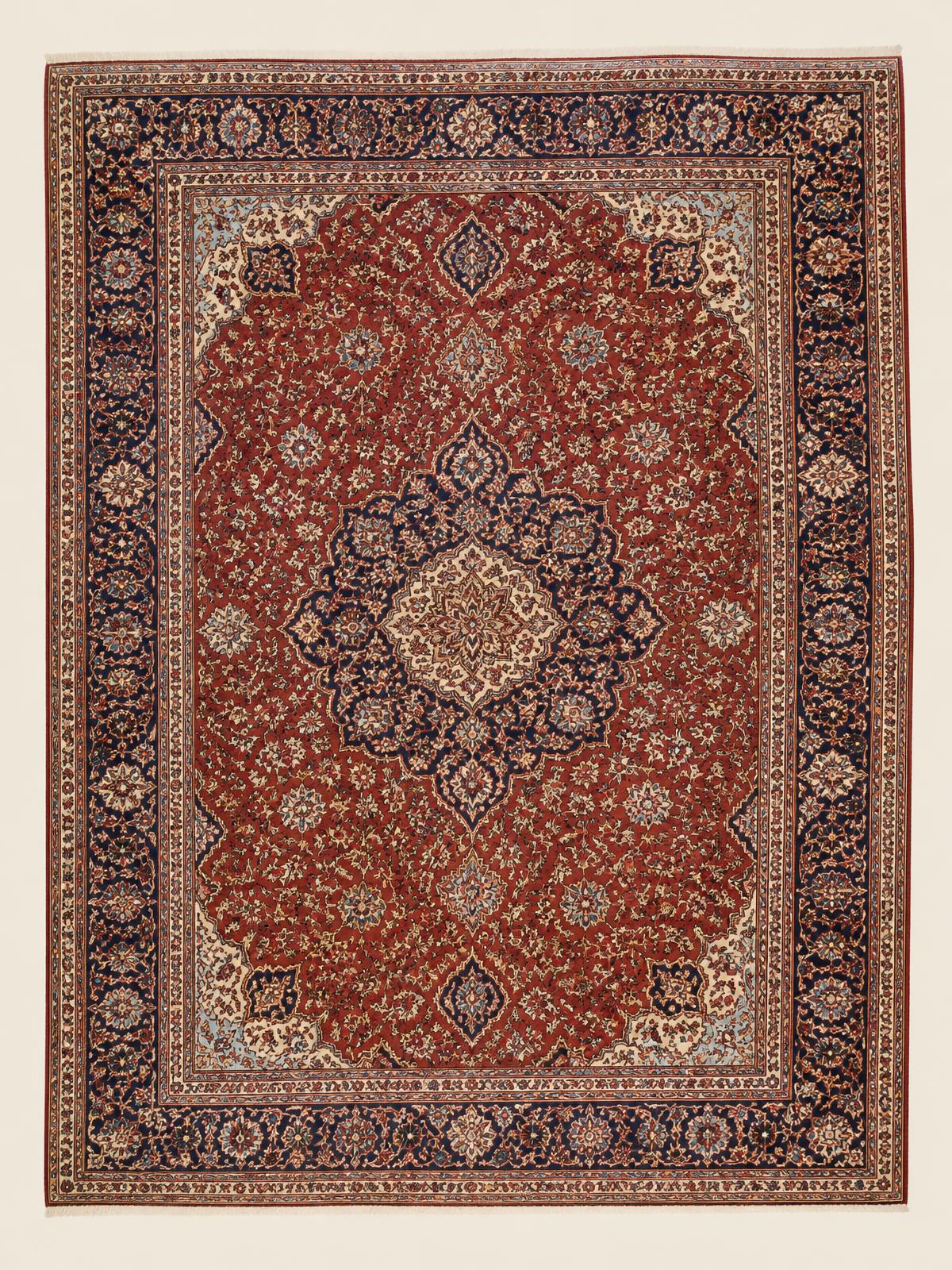
 View rug
Madder Medallion
Tabriz · c. 1935
9'11" × 7'0" · Hand-spun wool on cotton foundation
$14,800
Persian rugs collected for the homes of today.
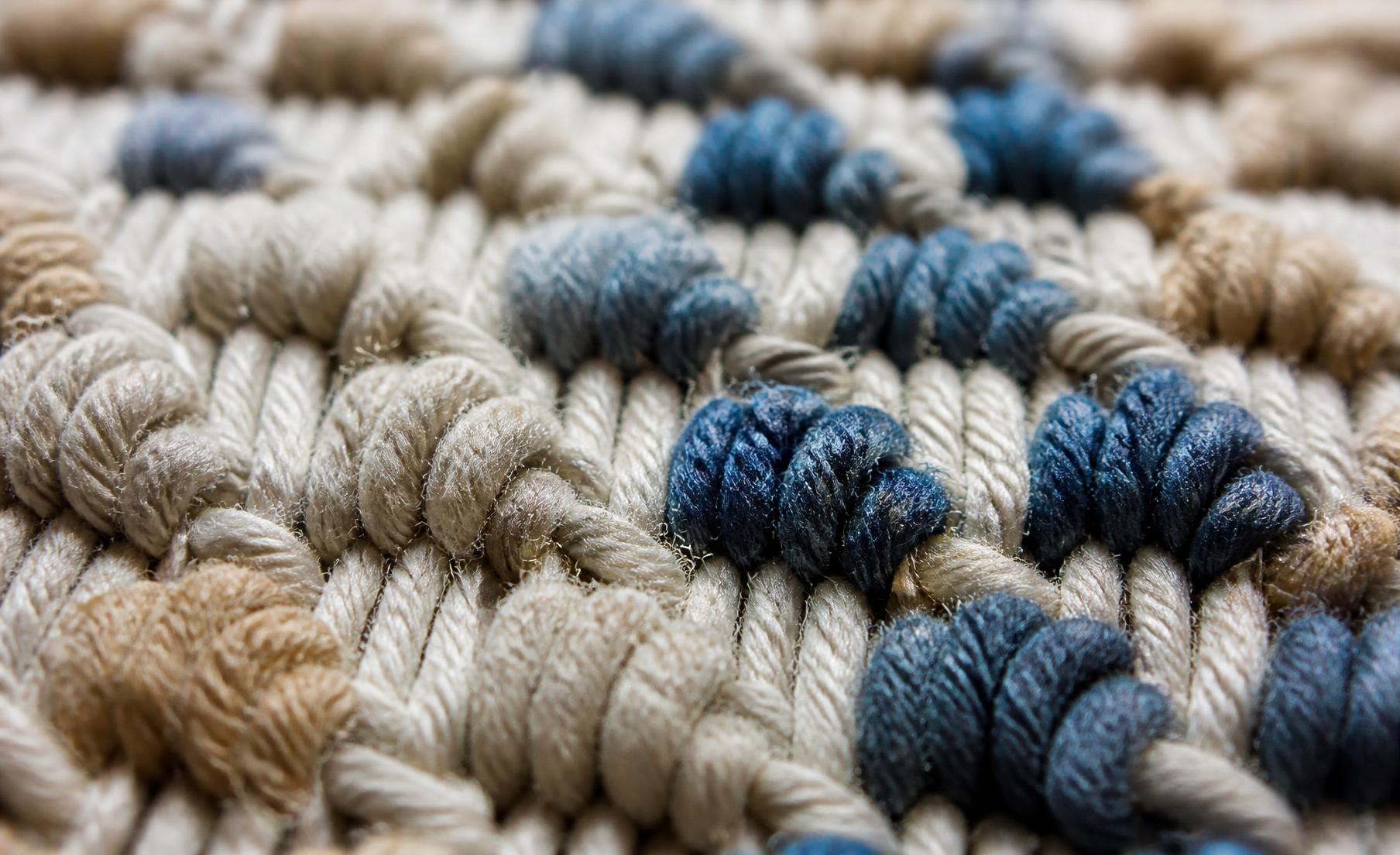
Every carpet carries the city it came from, the hands that made it, and the years it took.
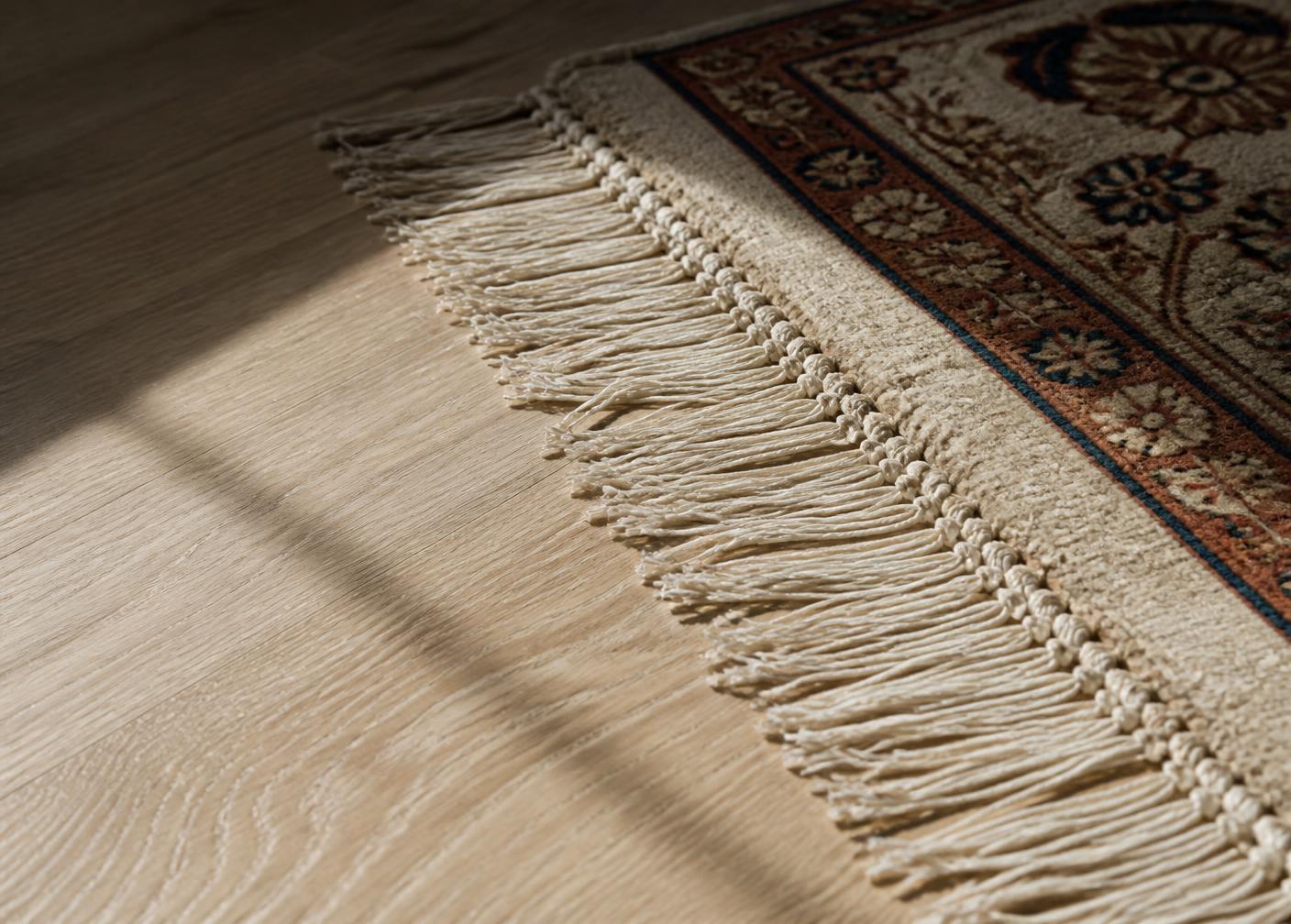
Hand-knotted.
No machine has touched it.
Natural wool.
Spun from highland fleece, dyed with plants.
Thousands of knots.
Tied one at a time, row by row.
Made to outlive trends.
And most of the furniture around it.
Shop by region
Nine weaving cities, nine dialects of the same language. Wool, water, altitude and workshop tradition decide how a rug is drawn long before the first knot is tied.
Every Persian rug begins with a knot.
0
rug
0 months
of work
0
individual knots
0
pair of hands
A weaver ties between six and ten thousand knots a day. The rug in your room is, quite literally, a record of somebody's time.
The making
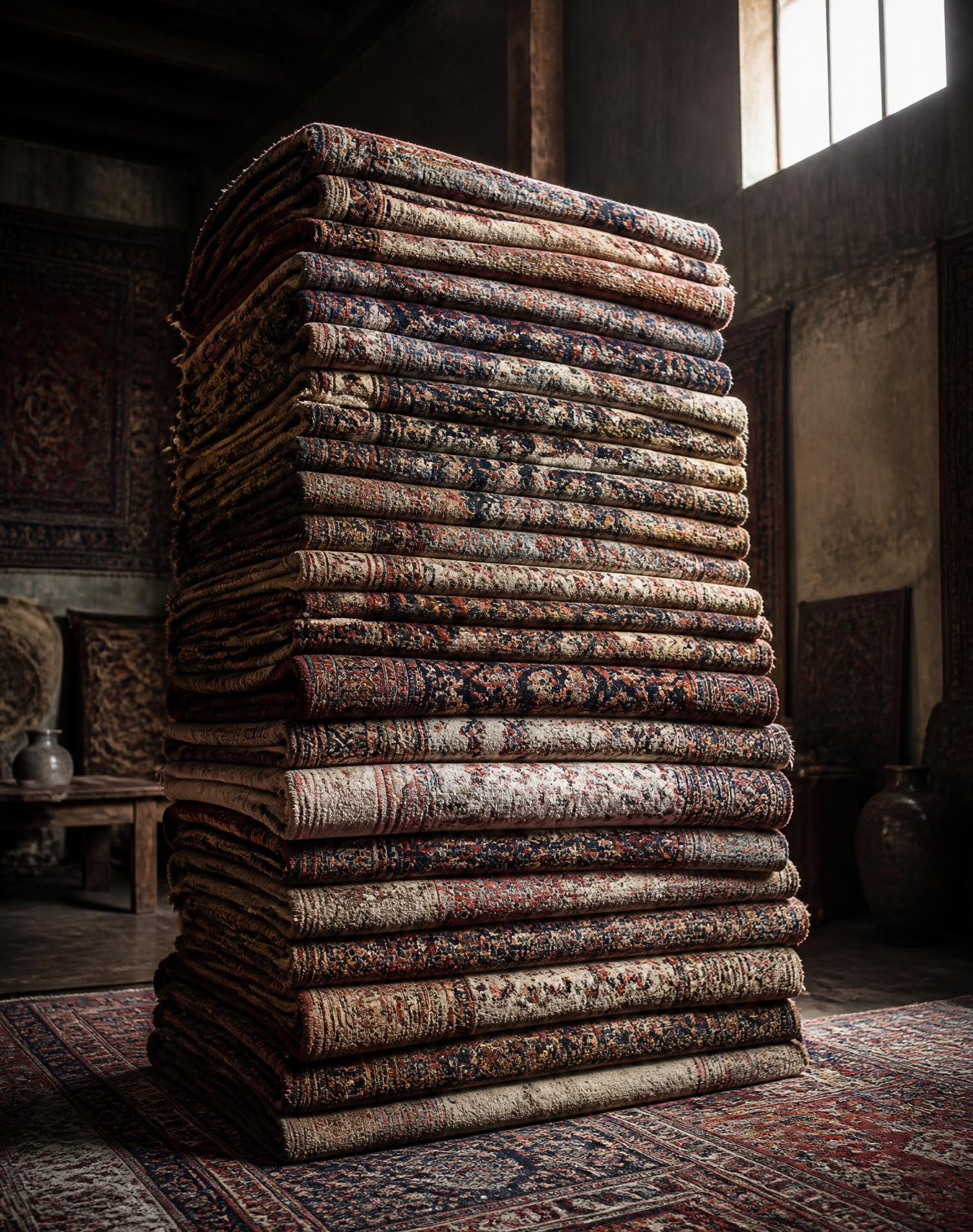
Highland fleece, hand-spun so no two threads are identical.
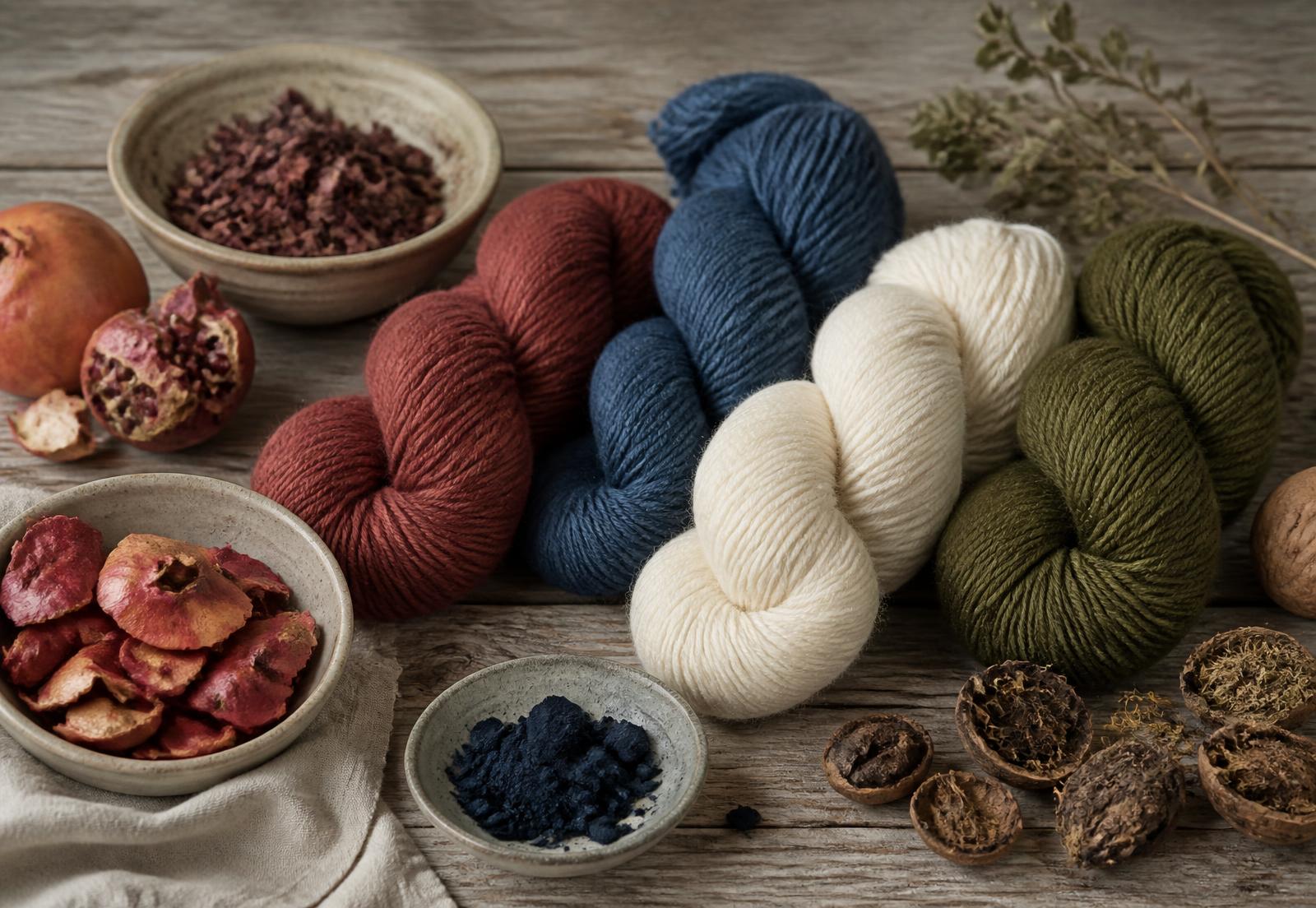
Madder root, indigo, pomegranate skin, walnut husk.
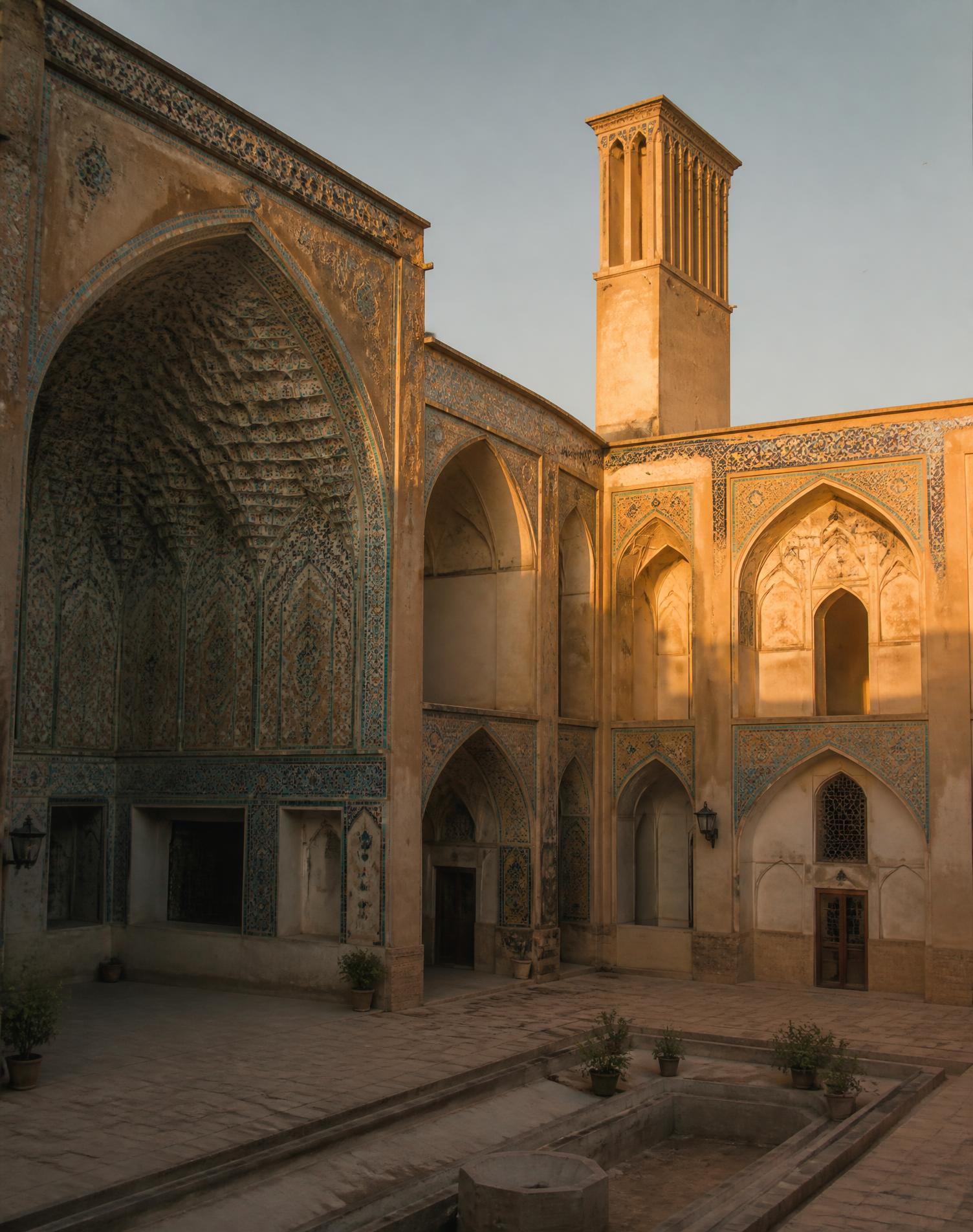
A cartoon drawn on graph paper — or held entirely in memory.
Row by row, tied and cut by hand, six thousand a day.
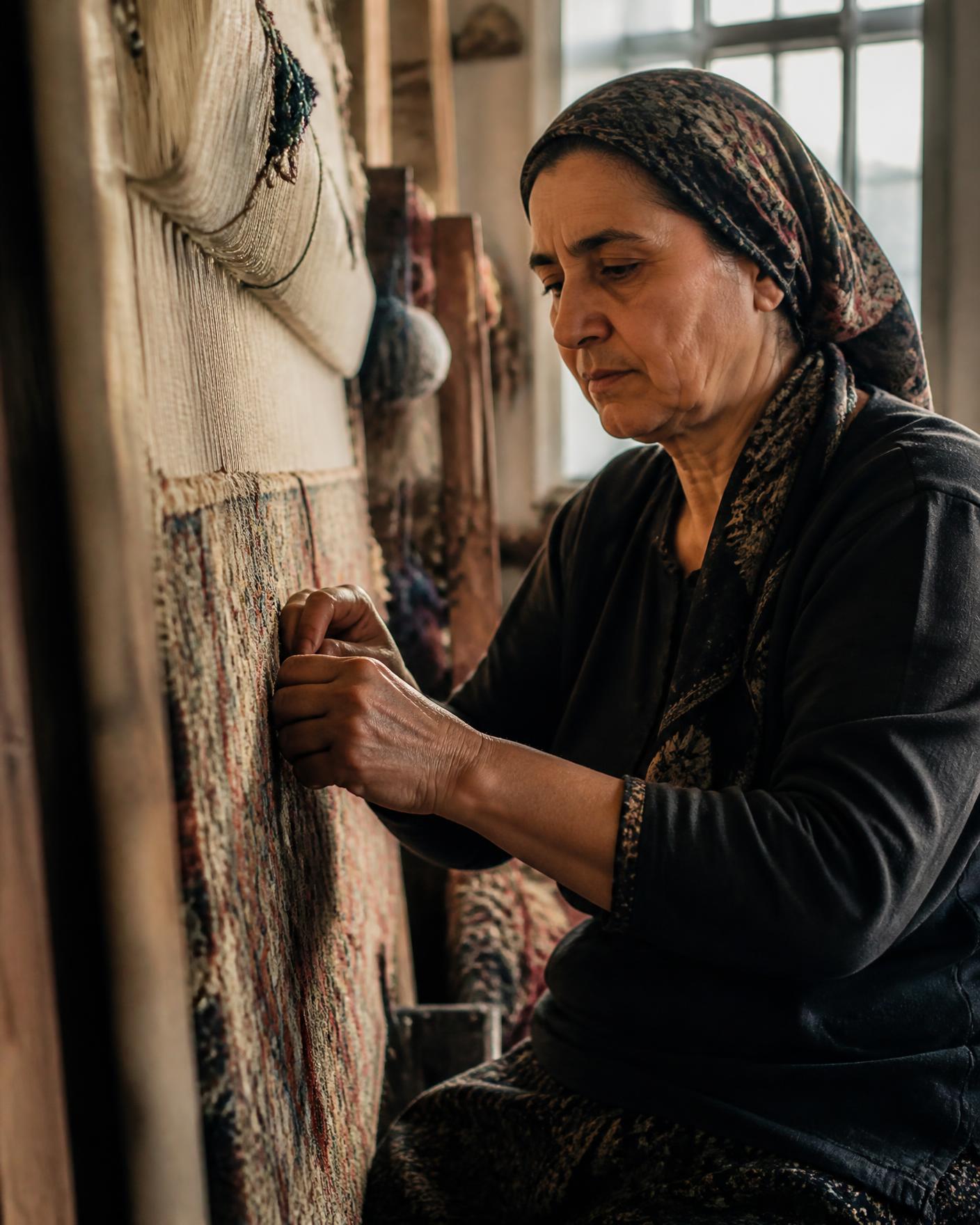
Months at the loom. Sometimes years. Always one pair of hands.
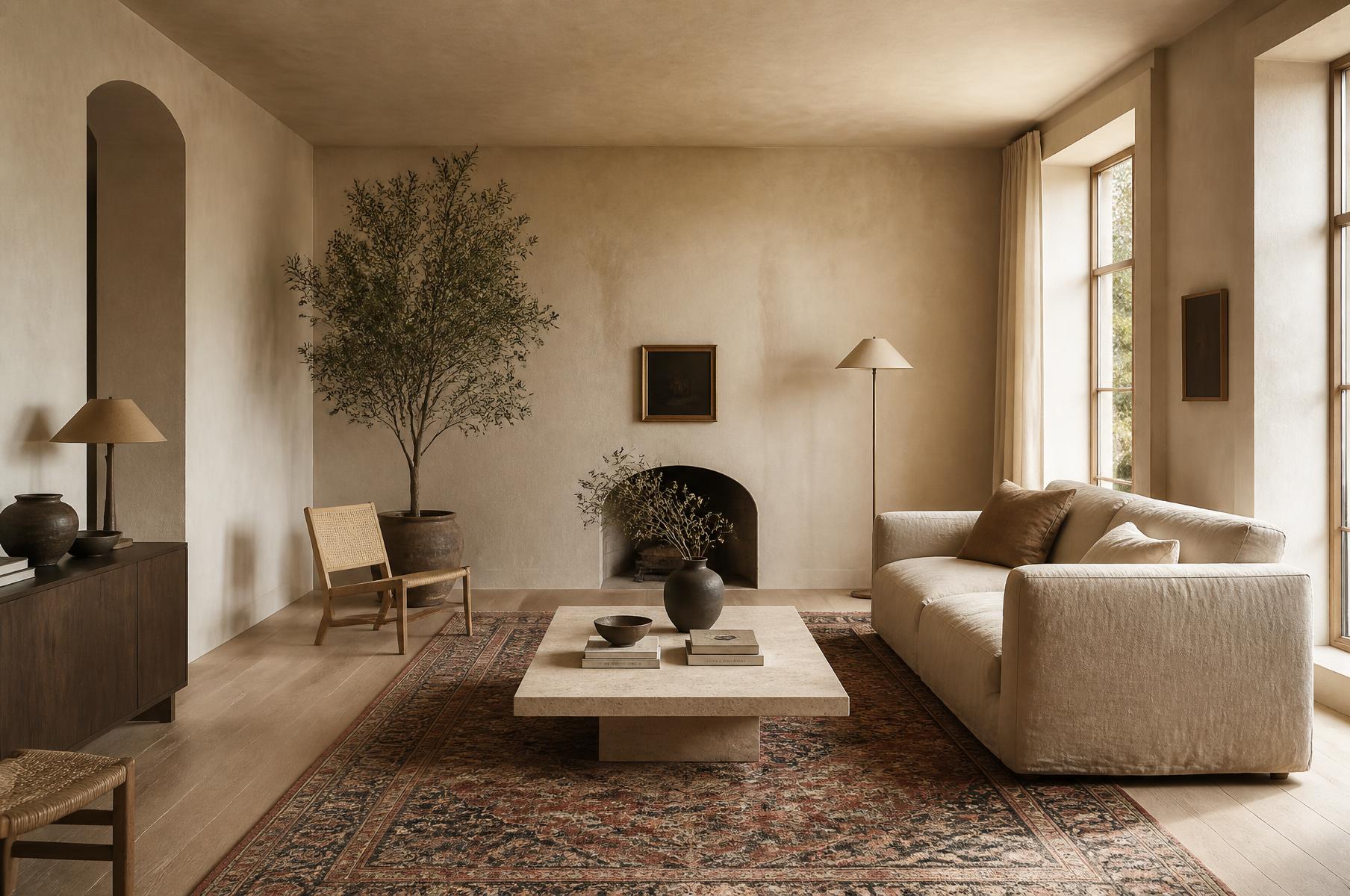
And then, quietly, it becomes the floor of somebody's life.
Scroll sideways →
Shop by colour
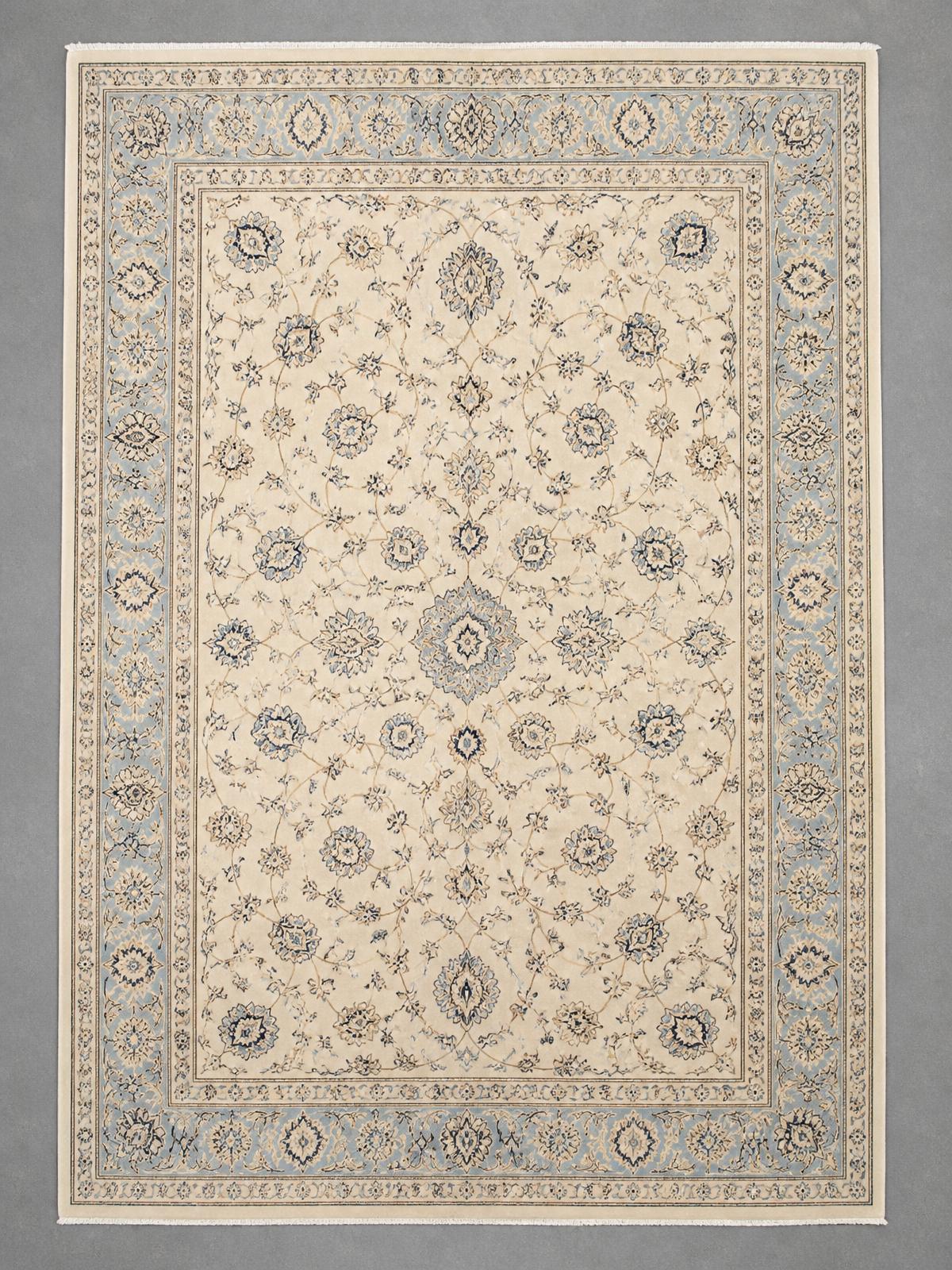
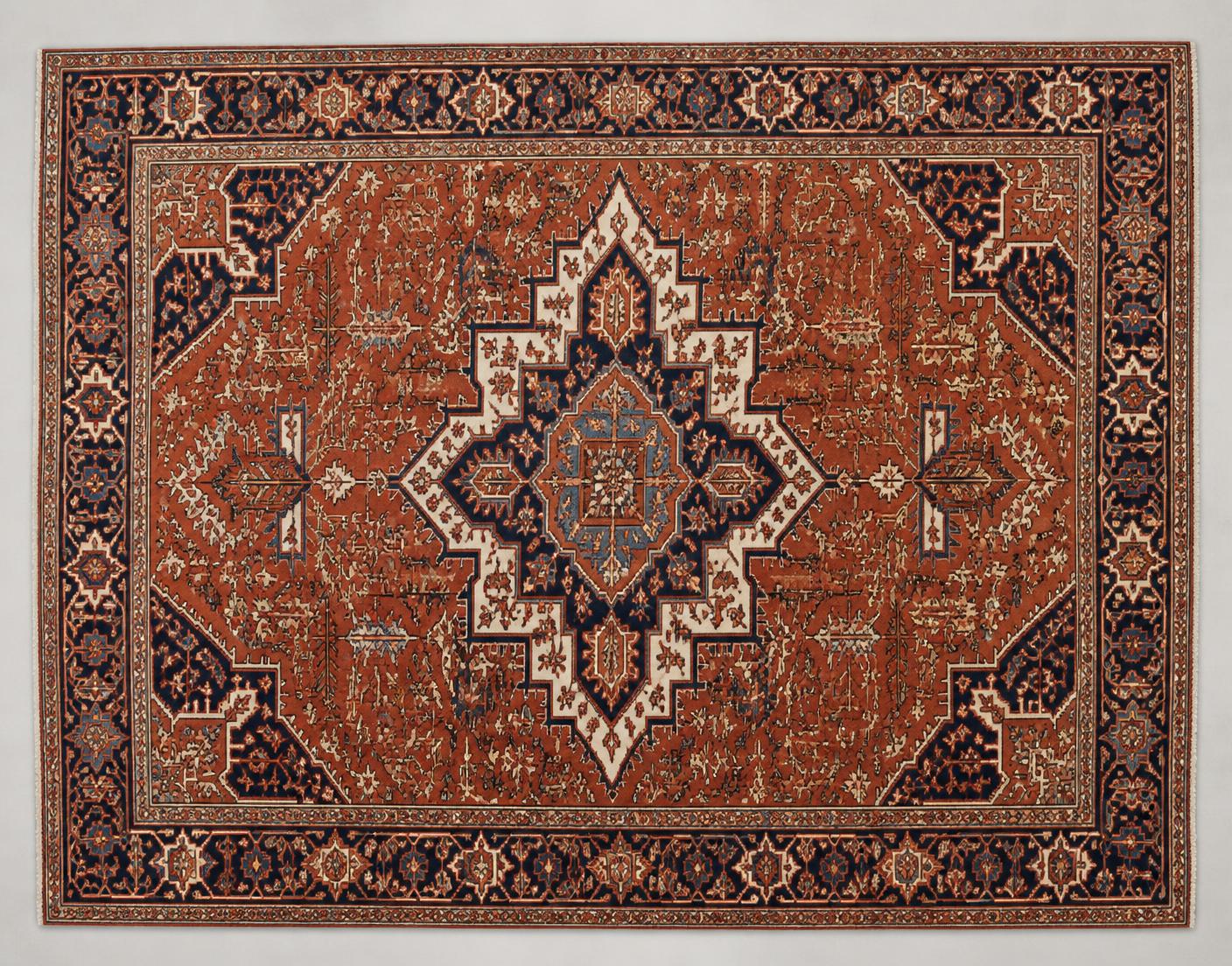
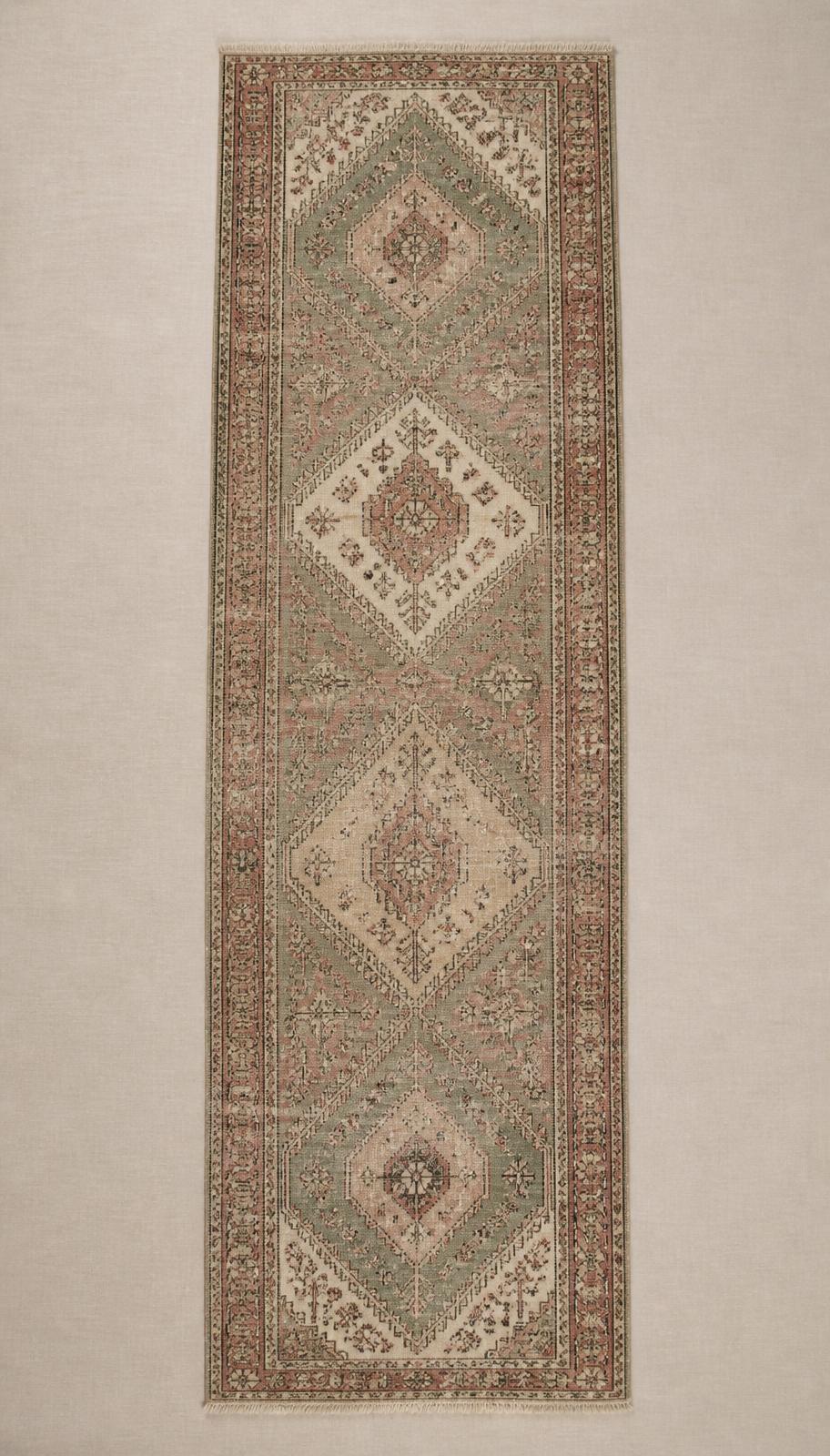
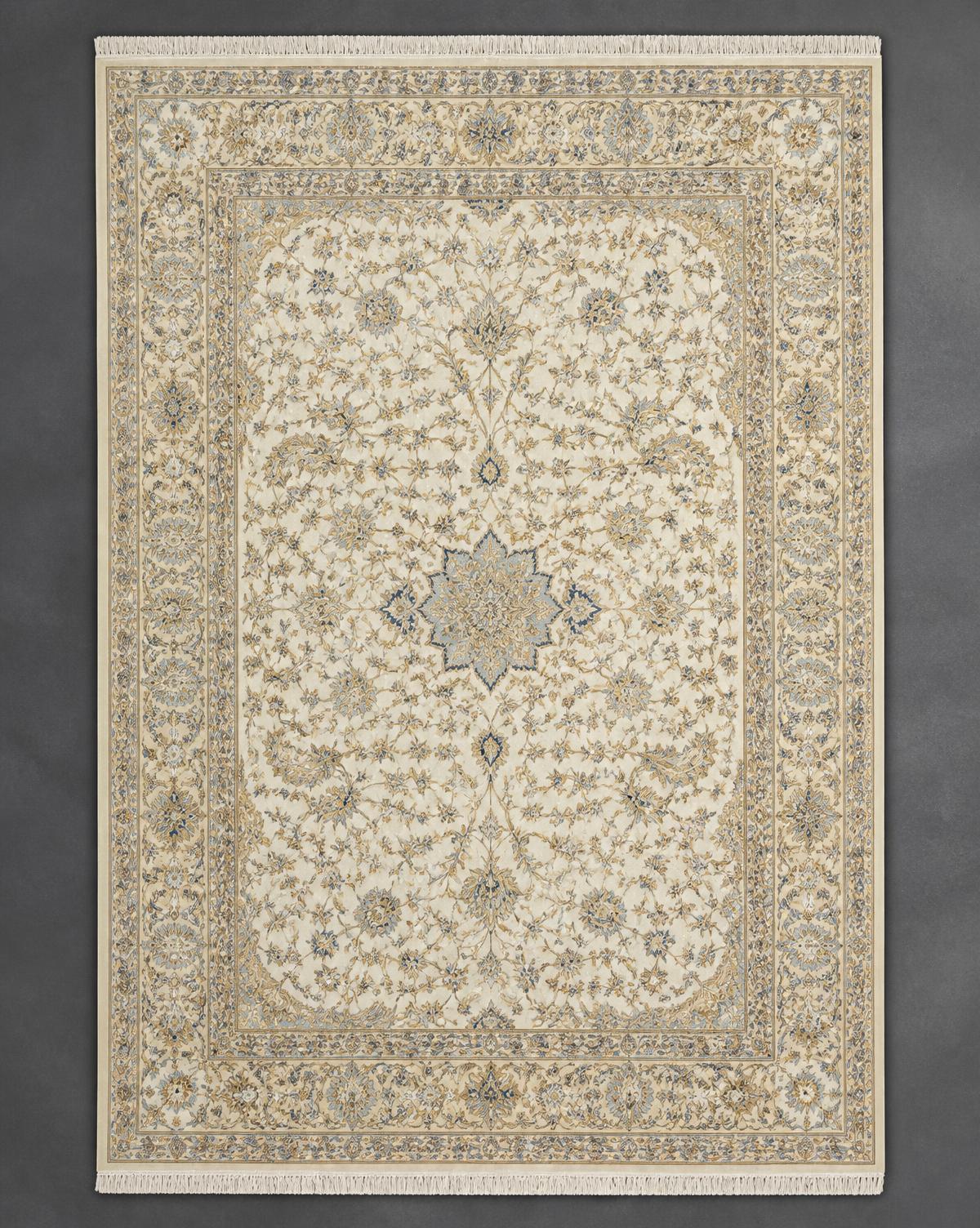
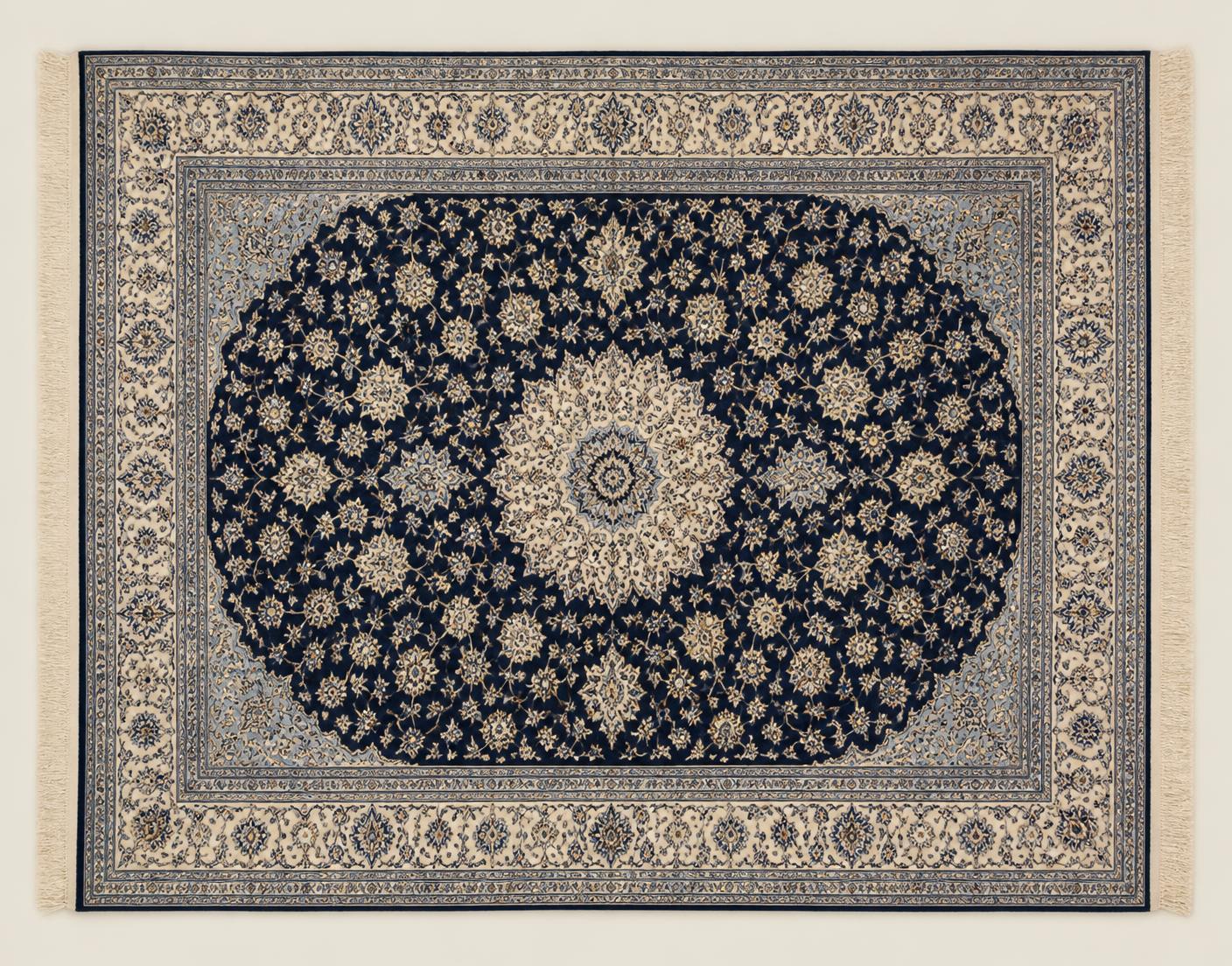
Madder Medallion — Tabriz
Shop by size
Visualise
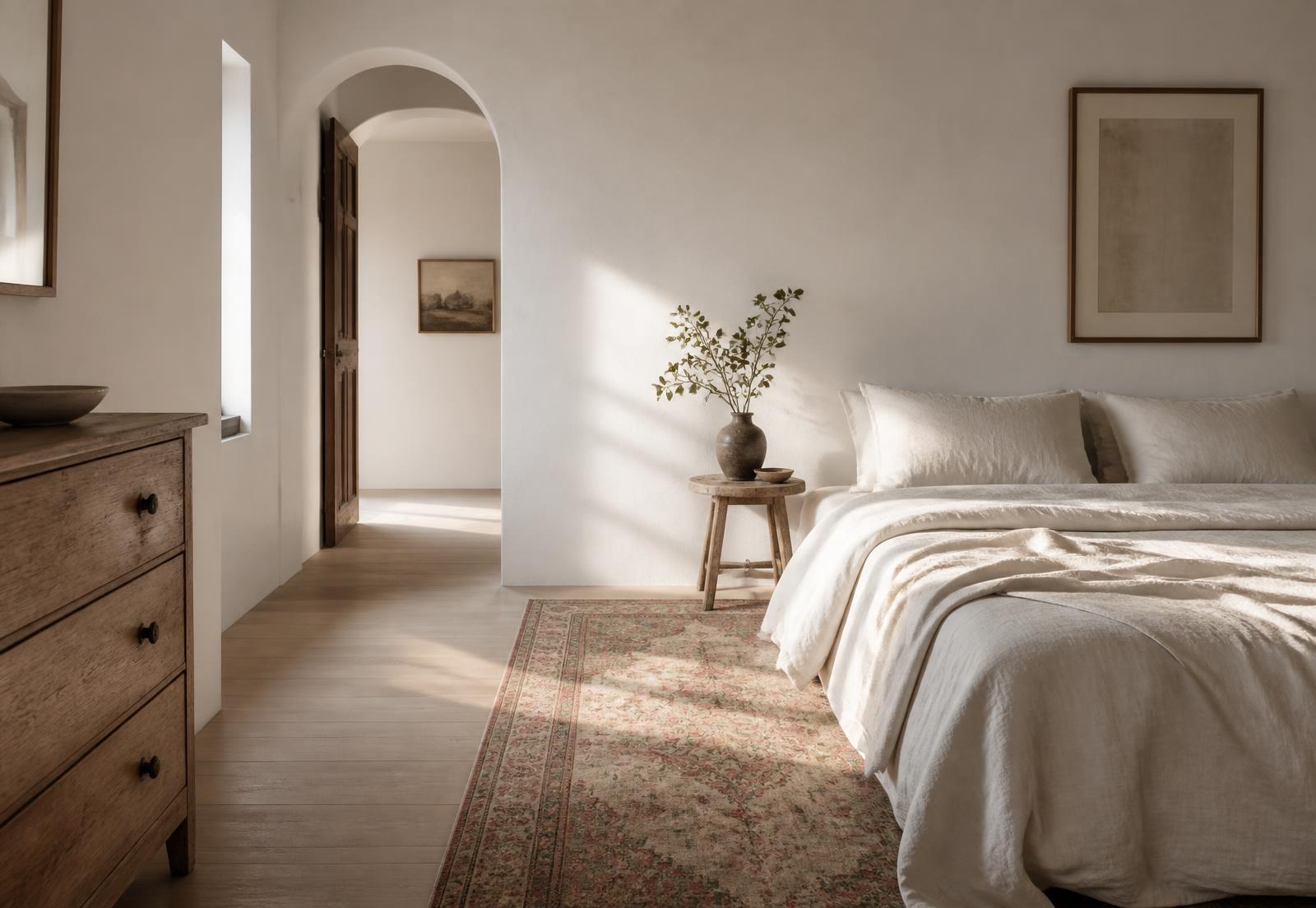
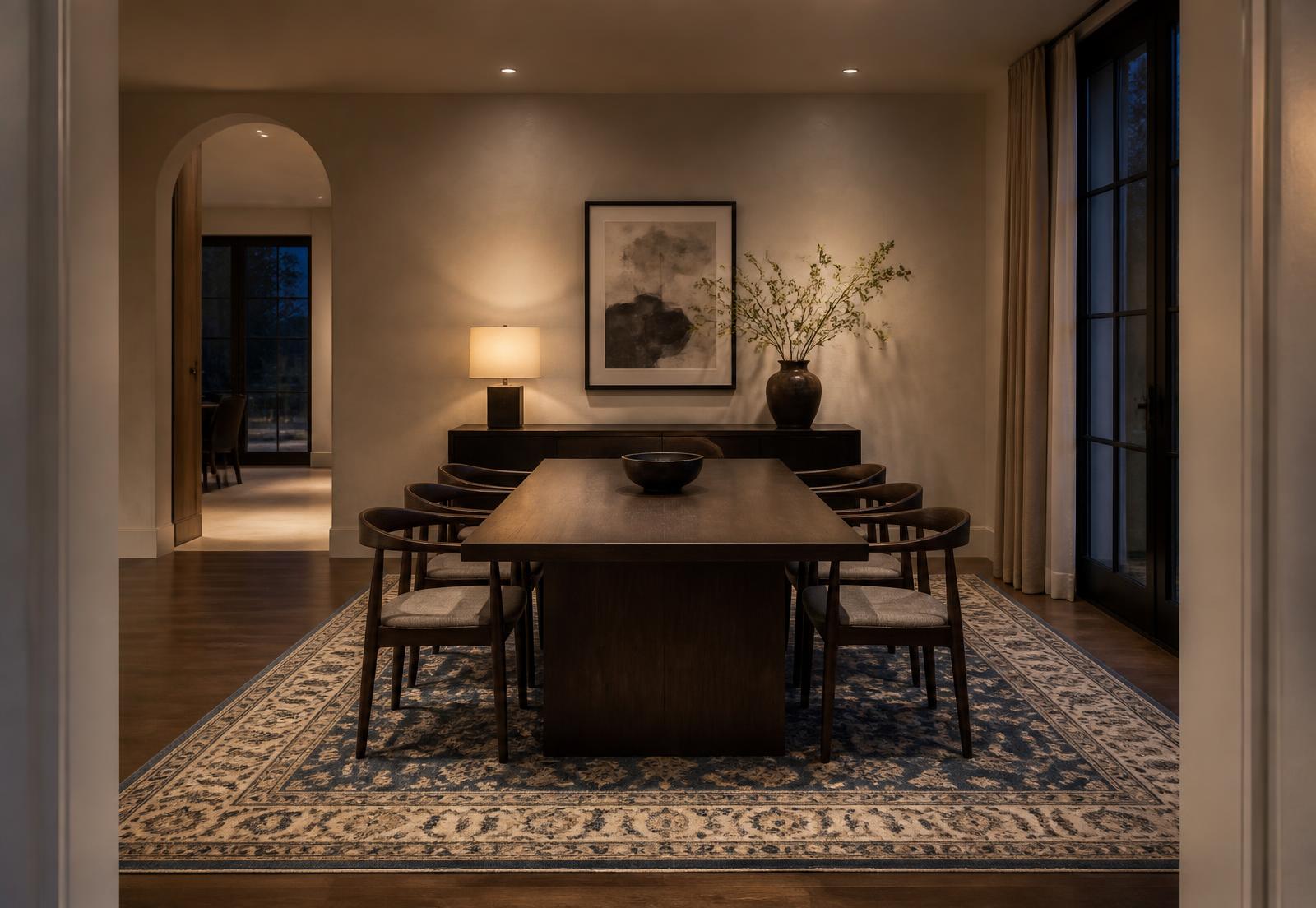
Upload a photograph of your room, or place Madder Medallion in one of our styled interiors to judge scale before you commit. Nothing you upload leaves your device.
Preview in
A full AR placement tool is in development. For now this preview is a guide to proportion, not colour.
Curator's selection
Tap a point to read the detail
No. 01
Madder MedallionThe border is where a Tabriz weaver shows their hand. Follow the vine: it never repeats exactly, and the small hesitations are the record of a person, not a machine.
No. 02
Ivory GardenA rare quiet Kashan. Most are red; this one was woven for a room that already had enough to say.
No. 03
Terracotta HerizHeriz wool is famously tough — the mountain water around Tabriz makes it so. This piece has held a hundred years of footsteps and barely noticed.
Meet the makers
The people who make these rugs are not folk curiosities. They are specialists — dyers who read a fleece by hand, designers trained for a decade, weavers who can hold a pattern in their head for a year.
We buy directly wherever we can, pay at the workshop, and name the region and maker whenever the piece allows it. Where a rug is old enough that its weaver is unknown, we say so plainly.
How we sourceSymbols
A seed, a cypress bent by wind, an eternal flame. The ancestor of the paisley.
Hover or tap a motif to redraw it
Journal